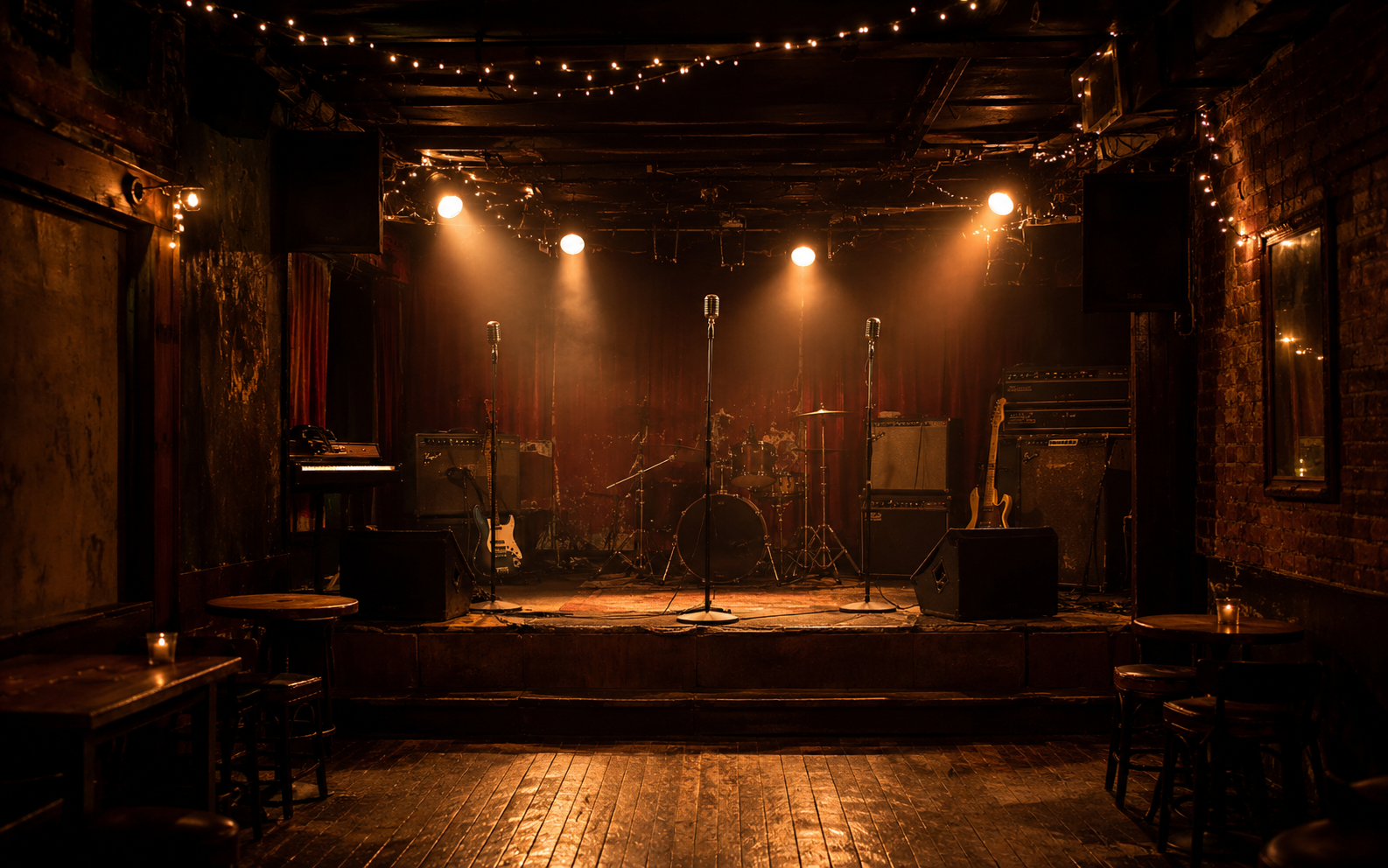
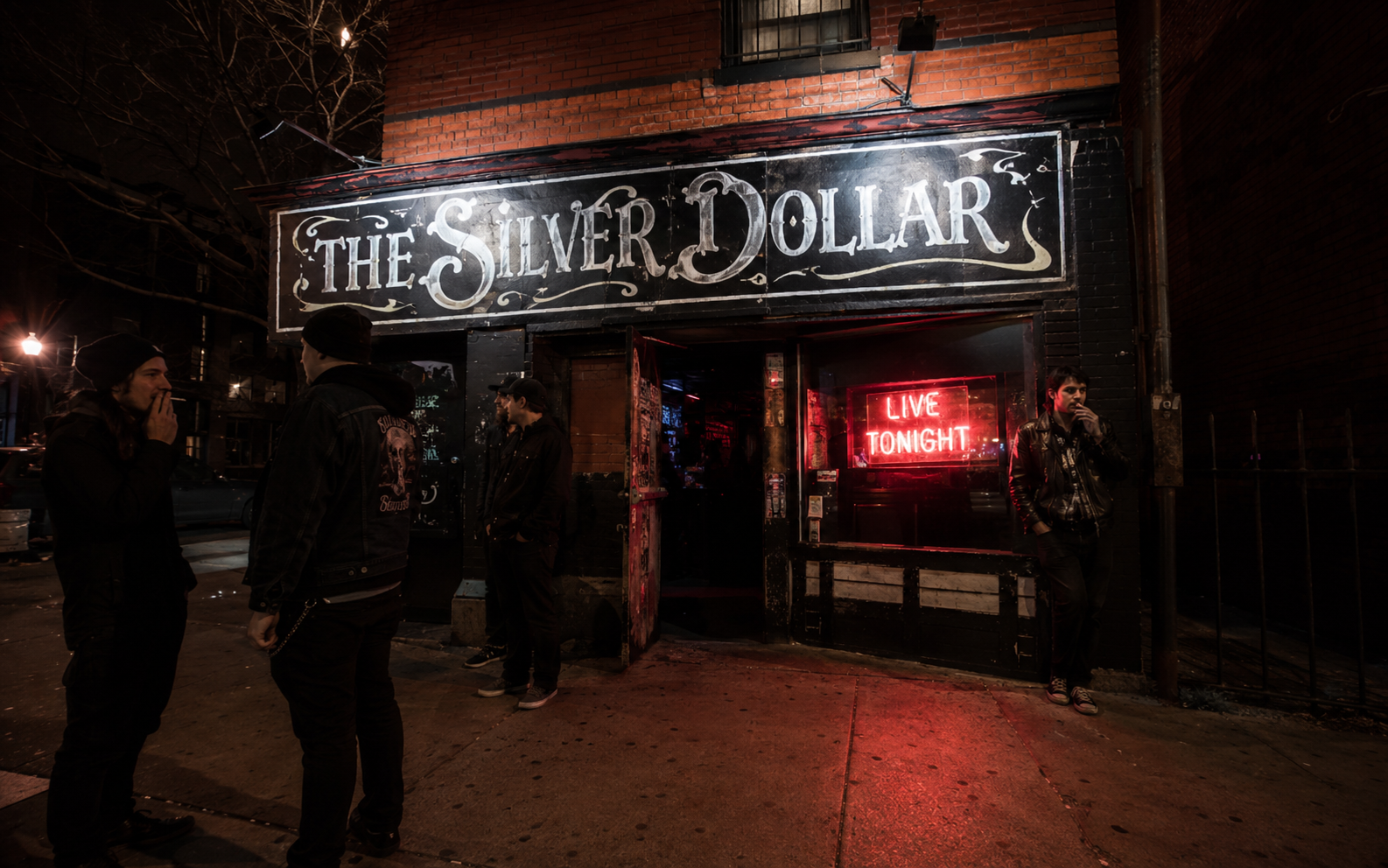
The statistics are grim. Over the past decade, hundreds of independent music venues have closed across the UK, Europe, and North America. Rising property values, pandemic aftershocks, and the relentless pressure of noise regulations have squeezed the life out of spaces that once launched entire genres. But the venues that remain are not just surviving. They are evolving.
Diversify or Die
The single-purpose gig venue is largely extinct. The rooms that thrive in 2026 are the ones that function as cafes by day, rehearsal spaces in the afternoon, and live music venues by night. Some host podcast recordings, vinyl listening sessions, or community meetings. The key is generating revenue during the 18 hours when no band is playing. It is not romantic, but it keeps the lights on and the PA maintained.
Community Ownership Models
Several venues have turned to community share schemes and cooperative ownership to escape the landlord trap. When the community owns the building, rent hikes become impossible and the venue's mission stays intact. The model works because people will invest in spaces they care about, especially when the alternative is another luxury apartment block. The concept of live music as cultural infrastructure is finally gaining traction with local councils too.
The Agent of Change Principle
In cities like London and Melbourne, the Agent of Change principle now places the burden of soundproofing on new developments rather than existing venues. This single policy shift has saved dozens of rooms from closure. When a developer builds flats next to a venue that has operated for 30 years, it is the developer who must install acoustic insulation. This is common sense, but it took decades of campaigning to achieve.
Building New Audiences
The venues that will survive the next decade are the ones building relationships with younger audiences now. That means affordable tickets, all-ages shows, and programming that reflects the diversity of the local community. It means being on social media without being cringe about it. It means understanding that the 19-year-old discovering live music tonight is the 35-year-old buying season tickets in 2042.