
The vinyl revival has been declared dead and resurrected so many times it has become its own genre of music journalism. But beyond the thinkpieces and the Record Store Day queues, there are actual musicians trying to figure out how to release music in 2026. Their perspective is more nuanced than the format wars suggest.
The Economics Are Clear
No working musician will tell you that streaming pays well. At fractions of a cent per stream, even millions of plays translate to modest income. Vinyl, by contrast, offers a physical product with real margins. A record pressed for eight pounds and sold for twenty-five at the merch table is the kind of arithmetic that keeps bands on the road. But pressing vinyl costs thousands upfront, which is money most independent artists do not have.
Discovery vs Devotion
Musicians understand something that format purists often miss: streaming and vinyl serve completely different functions. Streaming is for discovery. It is how new listeners find you, how playlists carry your music into cars and kitchens you will never visit. Vinyl is for devotion. It is what the dedicated fan buys after they already love you, the physical artefact that says this music matters enough to own. As Rolling Stone has documented extensively, most artists now see the two formats as complementary rather than competing.
The Ritual Argument
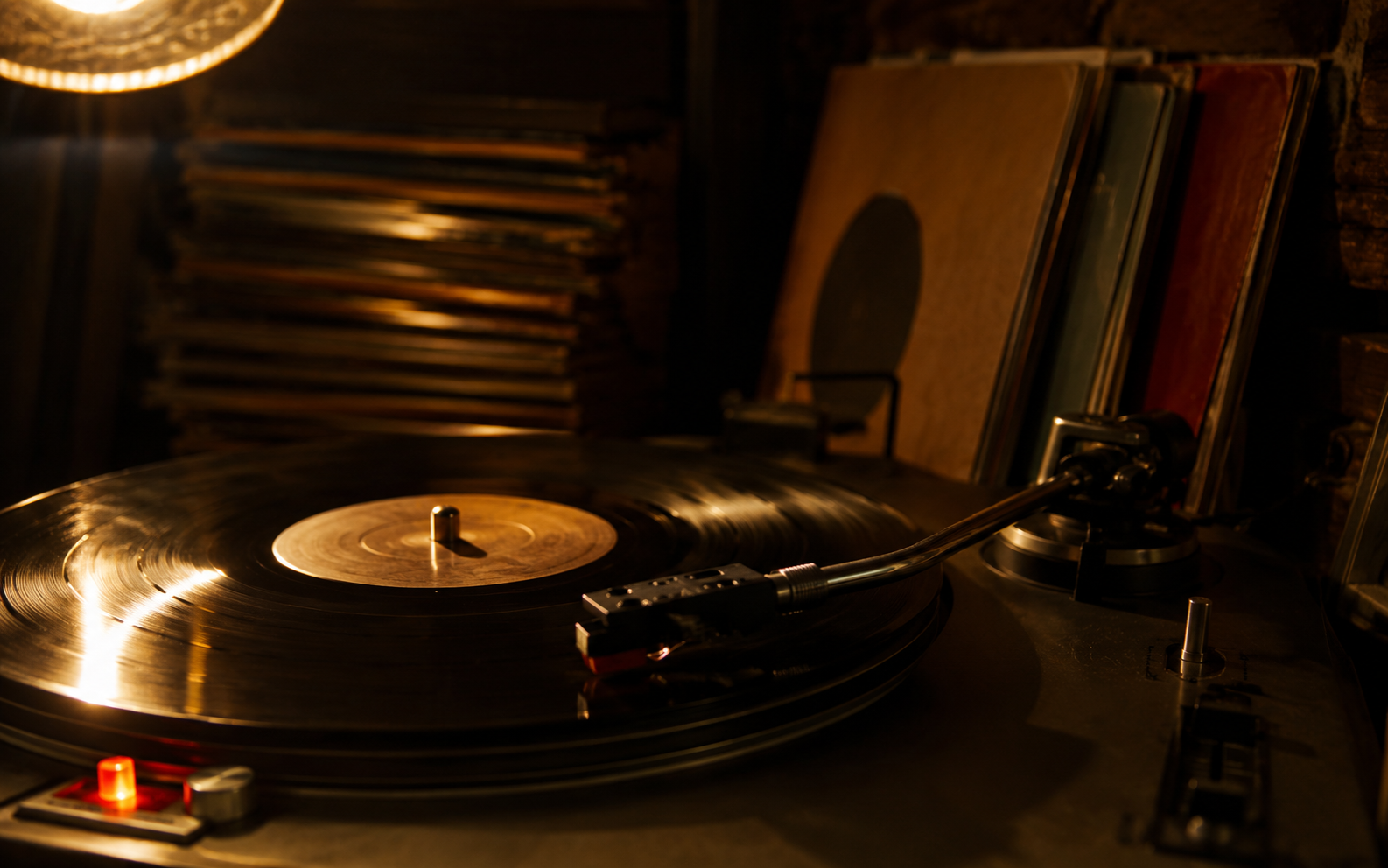
Many musicians talk about vinyl in terms of ritual. The act of choosing a record, sliding it from its sleeve, placing the needle. It forces attention in a way that tapping play on your phone never will. For artists who put months into track sequencing and artwork, vinyl is the only format that honours their intentions. You cannot skip tracks when the needle is in the groove. You listen as the artist intended, and that matters.
What Actually Pays the Bills
Here is the truth that neither side wants to hear: neither format pays the bills for most musicians. Live performance does. Merch does. Sync licensing does. Teaching does. The format debate is largely irrelevant to the financial reality of making music in 2026. Musicians care about it aesthetically, emotionally, even spiritually. But when the rent is due, they are checking their gig calendar, not their streaming dashboard.