
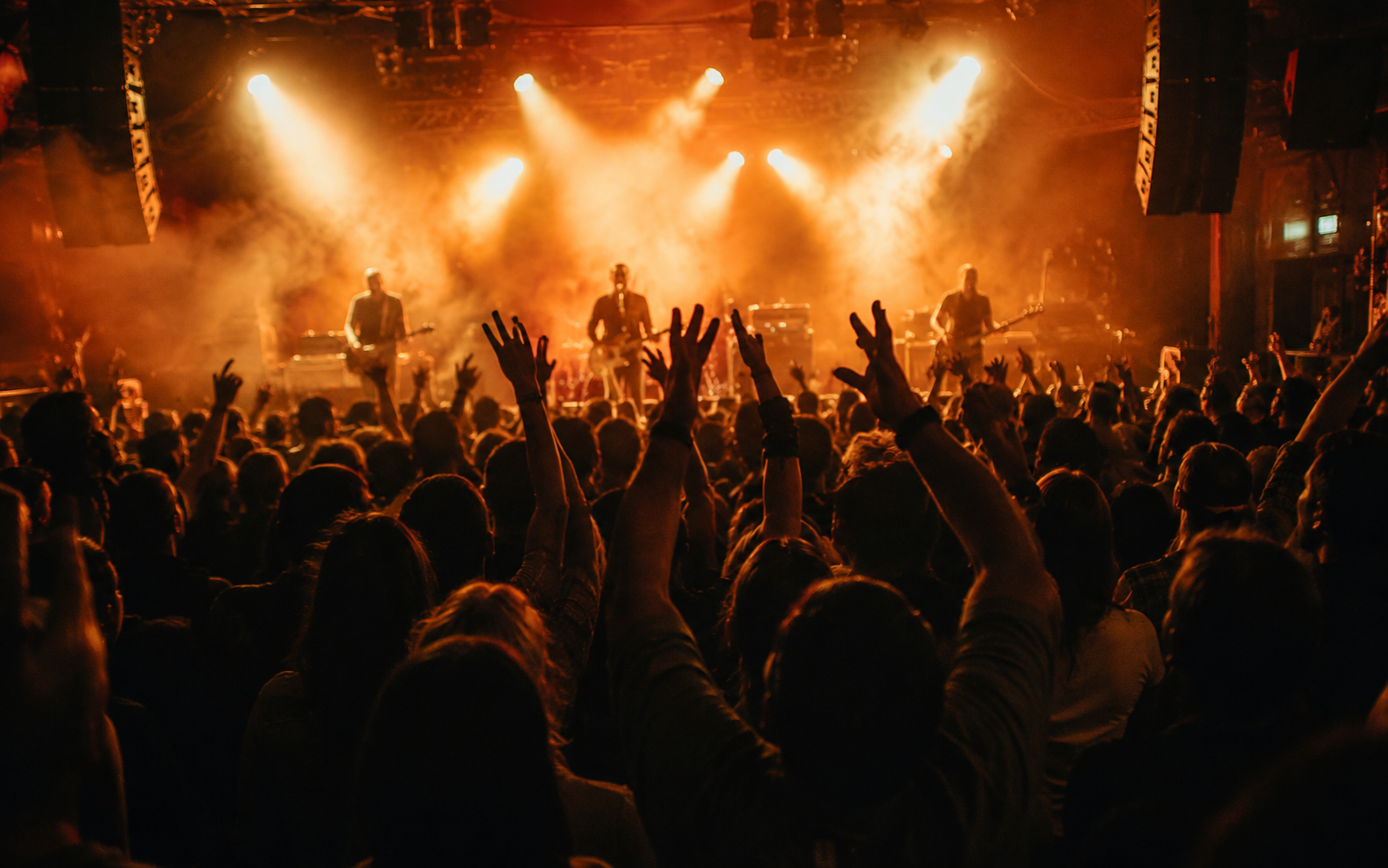
There is something that happens in a room when a band hits its stride that no streaming service, no matter how sophisticated its algorithm, can replicate. It is the sweat on the ceiling, the stranger next to you singing every word, the bass drum you feel in your ribs. Live music is not just entertainment. It is communion.
The Algorithm Cannot Sweat
We live in an era where music discovery happens through curated playlists and recommendation engines. Spotify tells you what you like based on what you already liked. It is comfortable, efficient, and entirely devoid of surprise. A live gig, by contrast, is chaos. The support band you never heard of might change your life. The headliner might play a deep cut that sends the room into delirium. You cannot skip tracks at a gig, and that is precisely the point.
Physical Presence as Resistance
Going to a gig in 2026 is almost a political act. It is choosing to be present in a room with other humans, choosing discomfort over convenience, choosing to support an artist with your time and not just your monthly subscription fee. Every ticket bought is a vote for the continued existence of venues, of sound engineers, of tour managers sleeping in vans. The entire ecosystem depends on people showing up.
Memory Over Metrics
Nobody remembers their 10,000th stream. But everyone remembers their first gig. The smell of the venue. The ringing ears on the walk home. The setlist scrawled on the back of a flyer. These are the moments that form our relationship with music, and they only happen in person. Streaming gives us access. Live music gives us meaning.
The Future Demands It
As artificial intelligence generates more of the music we hear passively, the value of human performance will only increase. The imperfections, the improvisation, the eye contact between guitarist and drummer mid-song. These things cannot be faked. Live music is proof that humans still make things that matter, and that other humans still care enough to stand in a dark room and listen.