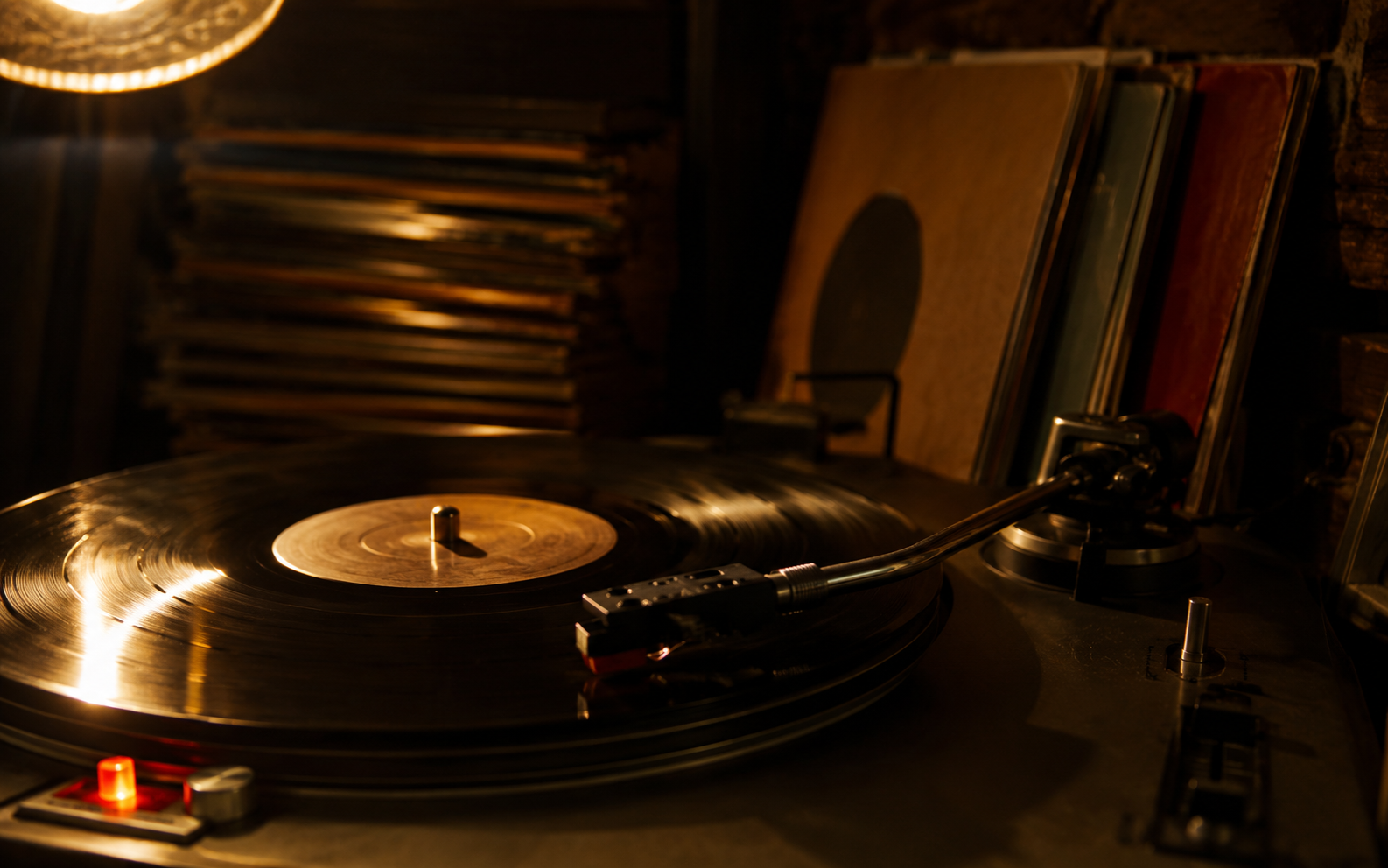
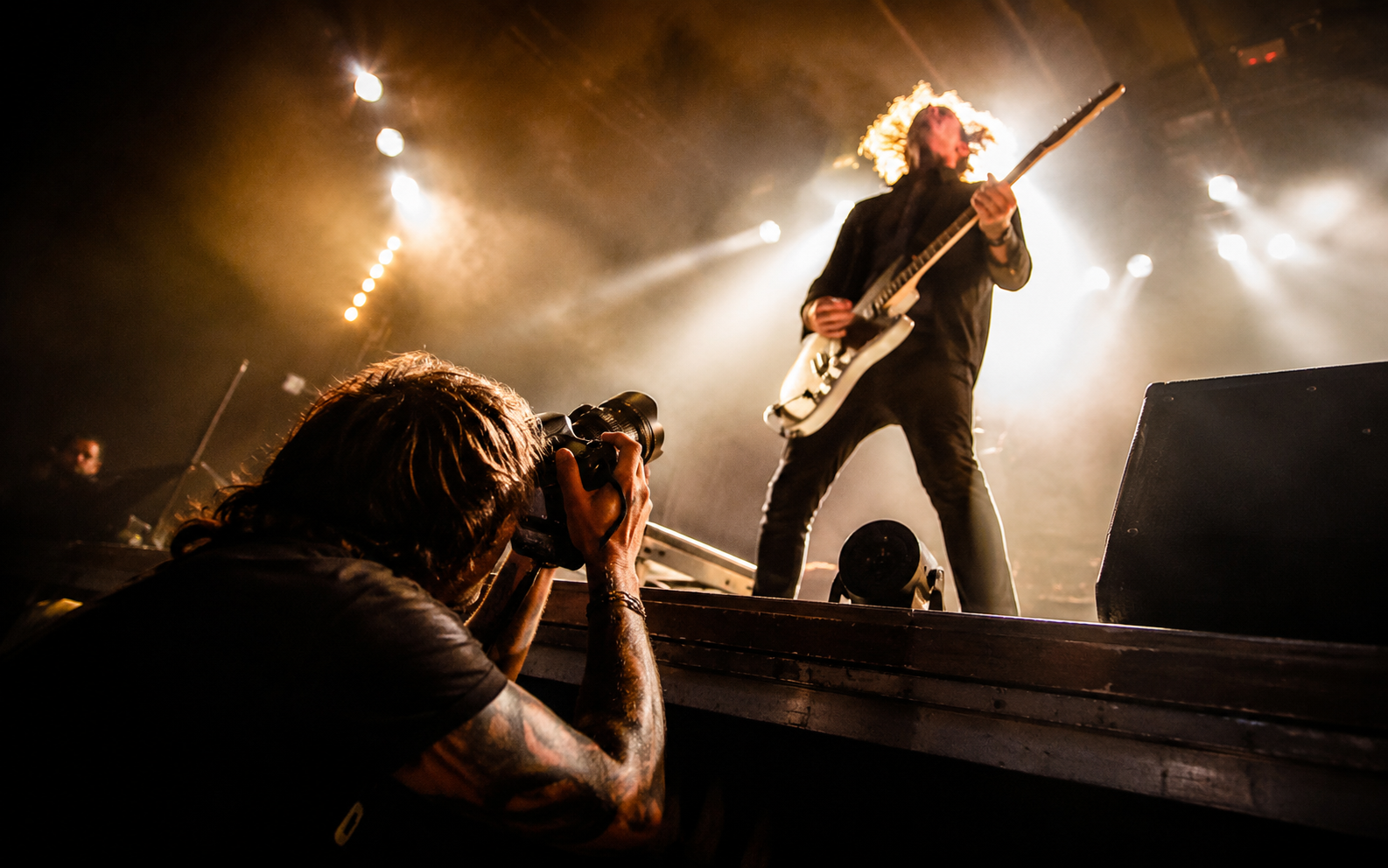
Music photography is an impossible art. You are trying to freeze a moment that only exists in motion, to capture sound in a medium that is silent. The best music photographers do not just document what happened on stage. They make you hear the image. You look at their work and your ears ring.
Three Songs, No Flash
The standard industry rule gives photographers three songs in the pit before they are escorted out. Three songs to capture the essence of a performance. No flash allowed because it distracts the artist. This constraint breeds creativity. You learn to anticipate the moment before it happens, to read body language like a drummer reads tempo. The guitarist always leans back before the solo. The singer always closes their eyes on the chorus. You are shooting the future, not the present.
Light as Language
Concert lighting is designed for audiences, not cameras. It changes every four beats, shifts colour mid-phrase, goes completely dark for dramatic effect. A music photographer must speak this language fluently. The red wash that makes everything look like a darkroom. The single spot that creates a halo. The strobe that gives you one frame of frozen chaos. According to NME, the best live photographers often spend hours studying a band's light show before ever raising their camera.
Beyond the Stage
The most interesting music photography happens away from the performance. Backstage tuning. The queue outside in the rain. Hands reaching over the barrier. The empty venue after everyone leaves, cables still warm on the stage floor. These images tell the story that the performance shots cannot. They show the human infrastructure of live music, the quiet moments between the noise.
The Phone Has Changed Everything
Every person in the audience is now a photographer. Thousands of phones held up, recording identical footage that nobody will watch. But this has not made professional music photography obsolete. If anything, it has made it more valuable. When everyone has the same angle and the same quality, the trained eye that finds the extraordinary frame becomes irreplaceable. The phone captures what happened. The photographer captures what it felt like.